
TALQ Consortium Released Version 2.6.0 of the Smart City Protocol
May 24, 2024
The TALQ Consortium has released a new version 2.6.0 of its Smart City Protocol, a global interface standard for smart city device networks.
Continuous evolution of the protocol ensures the interface standard constantly adapts to changing market needs. Version 2.6.0 introduces a new Cabinet Control profile, an extension of active periods and new commands for colour lights – the latter being aligned with the DALI-2 (IEC 82386) Part 209 definition. As before, the updated TALQ protocol (both data model and OpenAPI definitions) is available publicly and free-of-charge via GitHub.
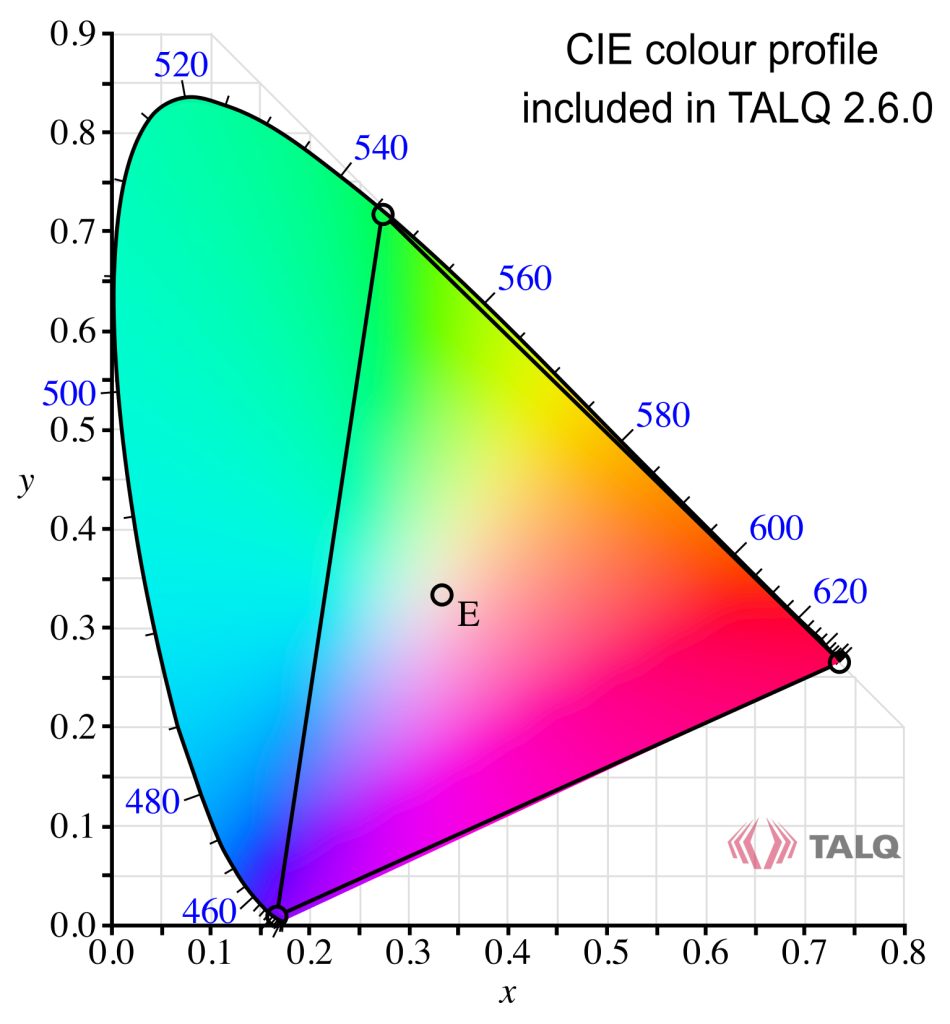
Analyzing and prioritizing members’, partners’ and customers’ feedback to refine and improve the protocol is an ongoing process within the consortium. Therefore, TALQ has added several new functionalities and some minor corrections with the goal of improving and simplifying its use.
The highlight of this release is the introduction of the TALQ Cabinet Control profile, a comprehensive extension that integrates both existing and novel functions. The new cabinet control profile improves interoperability between systems when dealing with lighting cabinet control, allowing for segmented control of lights.
Another significant enhancement in version 2.6.0 is the extension of active periods from the ‘Control Service’ into the ‘Data Collection Service’. This extension enables users to limit data recording to specific periods, utilising parameters such as astro-clock times, fixed times or sensor outputs. This flexibility adds a new layer of customisation, catering to diverse needs and preferences.
Furthermore, the new release introduces control commands specifically designed for coloured lights. This integration goes beyond regulating colour temperature, extending the control to the actual colour of the light. Aligned with the DALI-2 Part 209 definition, a leading hardware standard in the lighting industry, these additions ensure seamless integration and compatibility.
“The structure and aim of the TALQ Protocol remains unchanged, of course. But we are proud to continuously add innovative solutions that address the demands of operators in the smart city and smart street lighting environment.”
José Sanchis,
Chairman of the TALQ Certification Workgroup, the new protocol release
By asking for TALQ-certified smart city applications, cities can avoid vendor lock-in and can rely on data interoperability when monitoring and controlling devices in smart city ecosystems.
The TALQ Smart City Protocol version 2.6.0 is available to software developers for download via the GitHub repository.
More information available here