Solar vs. Diesel: Rethinking Jobsite Lighting
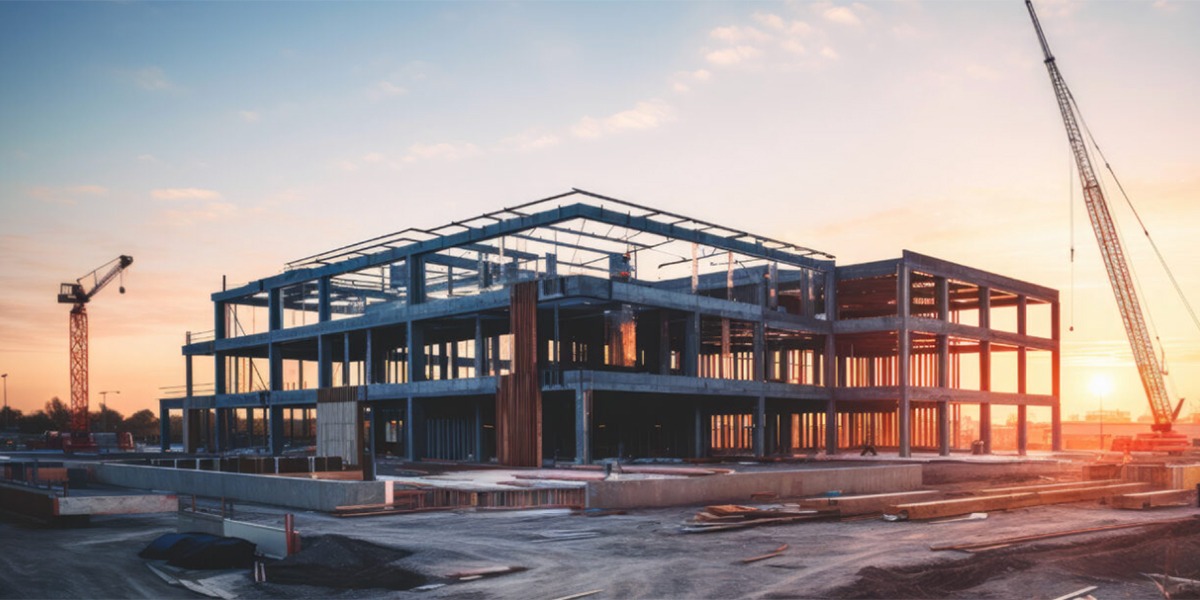
Choosing the right lighting for a large construction site is more important than many teams realize. Good lighting supports safety, productivity and security. It can also affect your project budget.
For decades, diesel-powered light towers have been the default choice on construction sites. They persist not because they’re perfect, but because they’re predictable. Contractors know exactly what they’re getting: a unit that shows up on a truck, drops into place, fires up in any weather, and can be rented from virtually any equipment yard.
That familiarity carries real weight on fast-moving projects where lighting is a safety requirement and downtime isn’t an option. But it’s not the only option anymore.
Solar-powered area lights are now emerging as a strong option, as codes, sustainability targets and owner requirements increasingly favor low-emission, low-noise equipment on sites. They’re also a practical choice for contractors running multimonth or multiyear projects, because they eliminate nearly all operating costs.
This shift in how projects are planned and paid for means contractors should carefully assess the economics and jobsite experience when deciding which lighting option is best for their projects. Below is an example of how the options could stack up.
Example Project Lighting Overview
Areas: Parking, laydown and storage zones
Dimensions: 1.161 sq ft
Lighting target: 0.5-1 maintained footcandles
Equipment and Upfront Cost
Diesel light towers remain the standard rental solution and a familiar sight on construction projects. They run LED fixtures using a built-in diesel generator and are readily available with low upfront costs. Rental pricing typically ranges from $150-$500 per day, $500-$2,000 per week, or $700-$1,300 per month.
Solar-powered area lights shift the model to a purchased asset. The example project would use a mix of 6,000‑lumen and 10,000‑lumen fixtures on about 110 poles, totaling roughly $267,200 upfront.
Operating Cost and Maintenance
Diesel brings ongoing fuel and service requirements. Over 30 months with 10 towers, the costs could reach about:
- $270,000 in rental
- $104,000 per year in fuel
- $60,000–$80,000 in maintenance
Based on those figures, total project cost for lighting would total roughly $590,000-$610,000. Refueling cycles, engine service and fuel-handling logistics also add labor and downtime.
Solar eliminates nearly all operating costs. It requires no fuel deliveries, no generator maintenance and no engine-related downtime. Once installed, the system runs without the recurring expenses that drive diesel’s long-term cost.
Performance and Reliability
Diesel towers perform reliably in all weather and scale easily as the jobsite grows. Availability is high, and contractors can add units quickly when the project footprint changes.
Solar delivers silent, emissions-free lighting with consistent performance when panels and batteries are properly sized. However, output depends on sunlight and battery capacity, so planning matters more upfront. If deployed properly, these considerations can be mitigated.
Environmental and Jobsite Impact
Diesel introduces noise, exhaust and fuel-handling requirements.
Solar removes those impacts entirely. No emissions, no generator noise and no fuel logistics. Solar also supports sustainability goals and can be reused or resold after the project.
Deployment and Flexibility
Diesel towers are fast to deploy and reposition, making them well suited for short-term work or rapidly shifting jobsite layouts.
Solar requires pole placement and installation planning. It’s a stronger fit for long-term or multiphase projects where the lighting infrastructure can remain in place for the duration of the work.
Bottom Line
Diesel persists because it’s familiar, flexible and instantly available. But it carries high operating costs and ongoing service demands. Solar requires more planning and upfront investment, yet delivers long-term savings, silent operation and a cleaner jobsite profile.
Over a 30-month project, opting for solar area lights can reduce costs by more than $300,000 – more than the entire estimated upfront investment of installing those lights. If you’re not already considering the shift, now is a great time to start looking.
Solera Solar Lighting, developed by Light Efficient Design, offers i-Series for a professional-grade, configurable, solar-powered lighting system and Off-Grid for lighting where line voltage is not available or cost prohibitive.