Designing for the Sensory Spectrum: Lighting Strategies for Neuroinclusive Spaces

Understanding the diverse sensory needs of neurodivergent occupants in various settings is critical to creating inclusive environments while maintaining the visual quality and effectiveness of the lighting design.
By Patricia Rizzo
The spaces we inhabit influence how we perceive, interpret and interact with the world around us, allowing us to feel and be safe or not. A supportive built environment can play an important role in promoting comfort, participation, safety, and well-being for people with autism and other neurodivergent conditions. Contrary to what someone with sensory challenges understands, light and lighting become part of competing background stimuli that can be tempered by thoughtful design.
Importance of Lighting
Lighting design and color schemes significantly impact neurodivergent individuals’ behavior, information processing and overall well-being. While the effects of lighting on visual comfort, performance and well-being have been studied extensively, research and design guidance focused specifically on neurodivergent populations are still evolving.
Lighting is a powerful, essential component of the built environment, shaping how people perceive, navigate and experience space. Because sensory processing varies from one person to another, an environment that feels comfortable and intuitive to one occupant may be distracting or overwhelming to another. When spaces are designed around a narrow range of sensory expectations, they can unintentionally limit participation, learning and engagement. By considering sensory sensitivity as part of the design process, lighting professionals can create environments that support neurodivergent individuals while enhancing comfort, reducing stress and improving the experience for all users.
Poorly designed lighting may contribute to anxiety, interfere with concentration, and intensify sensory overload. For some individuals, these stressors can contribute to distress and difficulty regulating sensory input. Excessive contrast, deep shadows and silhouetting can create visual complexity that may make spaces more difficult for some individuals to interpret and navigate comfortably. As beneficial as natural light is, it can become uncomfortable, creating glare and shadows if not controlled. Shiny surfaces create reflections and glare. Excessive brightness, glare or abrupt changes in luminance can affect visual comfort, spatial perception and wayfinding for some occupants. Beyond causing discomfort, these environments can create barriers to participation, making workplaces, schools, healthcare facilities and public spaces less accessible and inclusive.
Understanding the diverse sensory needs of neurodivergent occupants in various settings is critical to creating inclusive environments while maintaining the visual quality and effectiveness of the lighting design.
Classrooms
Considering neurodivergent students when designing classroom lighting is essential to creating inclusive learning environments that support different sensory needs, learning styles and levels of comfort. Students with autism, ADHD, sensory processing differences and other neurodevelopmental conditions may experience lighting and visual environments differently, making lighting quality an important factor in their daily classroom experience.
As school districts transition to LED lighting or look for ways to better customize lighting in specific spaces, several factors can help create more comfortable, inclusive and effective learning environments.
Customizable Lighting: When paired with lighting controls, certain LED systems allow teachers to adjust brightness, color temperature, and, in some cases, color. Cooler correlated color temperatures are often associated with alertness during focused tasks, while warmer light is frequently perceived as more relaxing and comfortable.
Reduced Sensory Overload: Harsh lighting and glare can be distracting or uncomfortable for students with sensory sensitivities. Well-designed LED systems can provide softer, more diffuse illumination to help minimize glare and visual overstimulation.
Improved Concentration: Adjustable lighting allows educators to tailor illumination to the time of day and classroom activity. Brighter, well-controlled light can support visual tasks, while lower light levels may be appropriate for quiet work or relaxation.
Enhanced Mood and Well-Being: Comfortable, thoughtfully designed lighting can contribute to a positive classroom environment. For students with autism, ADHD or other special needs, providing greater control over lighting conditions may help support comfort and engagement.
Reduced Flicker and Temporal Modulation: Properly specified LED systems, drivers, and controls can minimize fluctuations in light output – known as temporal light modulation – and visible flicker, improving visual comfort for individuals who may be particularly sensitive to these effects.
Flexible Learning Environments: Adjustable lighting makes it possible to create different settings within a single classroom, supporting activities such as group collaboration, independent study, presentations, and quiet reflection while accommodating a range of learning needs.
Workplaces
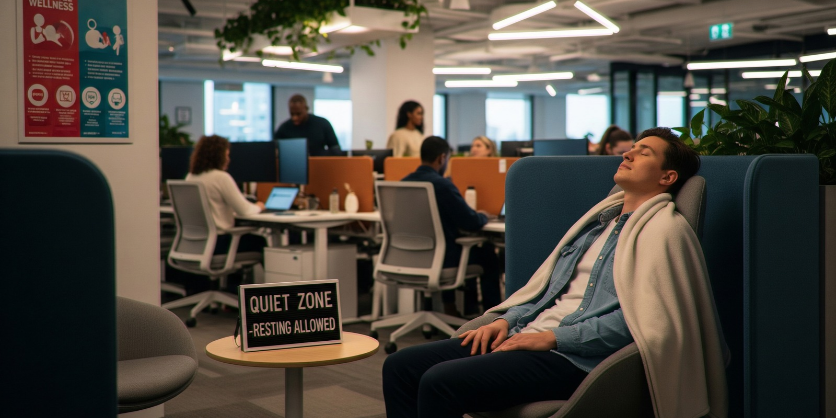
Neuroinclusive office lighting is not simply about making a workplace dimmer, warmer or more uniform. It is about giving people choice, reducing avoidable sensory stressors and designing for a range of visual and sensory needs. The most effective strategy combines good fundamental lighting design with flexible controls, varied work environments and meaningful input from the people who use the space. This can improve the workplace experience for neurodivergent employees while supporting visual comfort for the broader workforce.
For lighting designers, the goal is not to create a single ideal environment, but to provide flexible, comfortable spaces that accommodate a range of sensory needs and individual preferences. The following are some considerations that can help guide the design for more neuroinclusive offices.
Prioritize Glare Control and Visual Comfort: Glare from exposed light sources, computer screens, reflective surfaces and windows can cause discomfort and distraction for light-sensitive employees. Use shielded, low-glare luminaires and diffusers to minimize discomfort from bright light sources, reflections and screens. Manage daylight to reduce glare and abrupt changes in brightness.
Give Occupants Greater Control Over Lighting: Providing employees with control over their immediate lighting environment can make a meaningful difference. Dimming capabilities, independently controlled lighting zones and personal task lights allow occupants to adjust illumination to suit their preferences and activities. Greater control supports individual comfort without requiring the entire office to operate under one lighting setting.
Consider Color Temperature and Color Quality: Tunable white lighting lets occupants adjust color temperature to their preferences. Individual responses to color temperature vary considerably, so flexibility and user control are often more important than selecting a single “ideal” setting.
Minimize Flicker and Temporal Light Modulation: Preventing flicker should be a key consideration when specifying LED lighting for neuroinclusive workplaces. Although flicker is not always visible, temporal light modulation can contribute to visual discomfort, headaches, and fatigue for some individuals. The risk can vary depending on the LED driver, dimming technology, and control system.
Illuminance, Uniformity, and Contrast: Creating a visually comfortable workplace requires more than providing sufficient light. Lighting designers must also consider how light is distributed throughout the space and how employees experience the contrast between different areas. Inconsistent illumination, abrupt transitions between bright and dim spaces, and excessive contrast between ambient and task lighting can contribute to visual fatigue and discomfort, particularly for individuals with heightened sensory sensitivities. If there’s too great a difference in light levels between two areas adaptation takes longer causing stress when going from dark to bright areas or vice versa.
Inclusive Public Space Lighting
Public spaces should be welcoming and accessible to everyone, including neurodivergent individuals who may experience heightened sensitivity to light. In environments such as airports, libraries, and transportation hubs, glare, flicker, excessive brightness and abrupt lighting changes can contribute to sensory discomfort. Thoughtful lighting design can help create more comfortable, inclusive environments while supporting the needs of a diverse population.
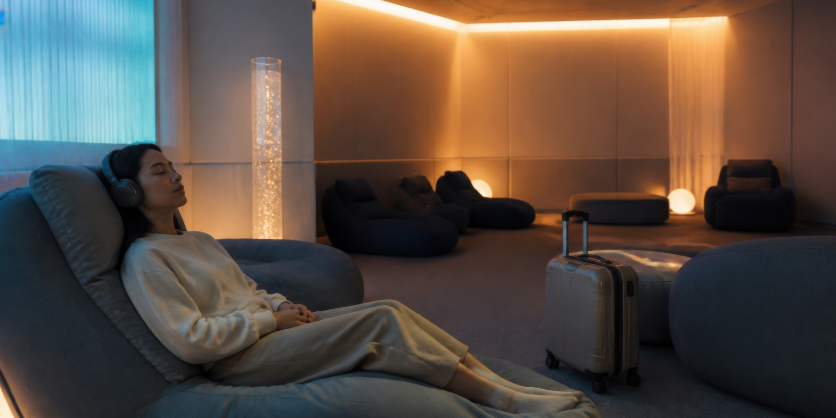
Different public environments require tailored lighting strategies to support neurodivergent accessibility and sensory comfort. For example, airports and transit hubs should maintain consistent illumination, provide clear visual wayfinding, minimize flicker and offer quieter waiting areas with softer lighting. Many airports now recognize sensory accessibility as an important component of inclusive design. Facilities such as Boston Logan International Airport, Seattle-Tacoma International Airport, Pittsburgh International Airport, Newark Liberty International Airport and Kansas City International Airport have introduced sensory-friendly environments ranging from calming rooms to simulated aircraft experiences that may help neurodivergent travelers prepare for and navigate air travel with greater confidence.
Lighting Considerations for Libraries And Museums
Libraries and museums can support neurodivergent visitors through lighting that prioritizes visual comfort, flexibility and sensory choice. Rather than applying a uniform approach throughout the building, designers can tailor illumination to different activities and create environments that accommodate a range of sensory needs.
Even, low-glare ambient lighting helps minimize harsh shadows, bright hotspots and reflections. Indirect cove lighting, diffused linear fixtures, and carefully aimed wall washers can provide consistent illumination, making it easier for visitors to navigate spaces and focus without unnecessary visual distractions.
Adjustable reading and retreat zones give visitors greater control over their surroundings. Dimmable ambient lighting and individually controlled task lights in reading nooks, study areas, and quiet corners allow people to select comfortable light levels for reading, concentration or taking a break from sensory input.
Carefully controlled exhibit lighting balances the needs of both visitors and collections. Shielded, adjustable accent lighting and thoughtful fixture placement can highlight artwork and artifacts while reducing glare on display cases. Maintaining a comfortable relationship between exhibit and ambient lighting also helps avoid abrupt shifts between bright displays and darker surroundings.
Designing for the Full Spectrum
Ultimately, designing lighting for neurodivergent populations is about recognizing that there is no one-size-fits-all solution. From classrooms to workplaces to public spaces, libraries and museums, thoughtful lighting can reduce sensory stress, support focus and comfort and improve how people experience their surroundings. By prioritizing visual consistency, minimizing visual noise such as busy patterns, glare and flicker and providing flexible controls and spaces for sensory relief, designers can create environments that respond to a broader range of needs. The goal is not simply to illuminate a space, but to make it more inclusive — where everyone has the opportunity to feel comfortable, navigate confidently and participate fully.
________________________________________________________________
About the author
Patricia Rizzo is Senior Healthcare Product Marketing Manager for Kenall Lighting and may be reached at patricia.rizzo@kenall.com. The company creates unique solutions for the parking, healthcare, cleanroom/containment, food processing, transportation, education, and correctional lighting markets. Kenall luminaires are designed and manufactured in Kenosha, Wisconsin. For additional information, visit kenall.com