How to Promote Smart Lighting Systems
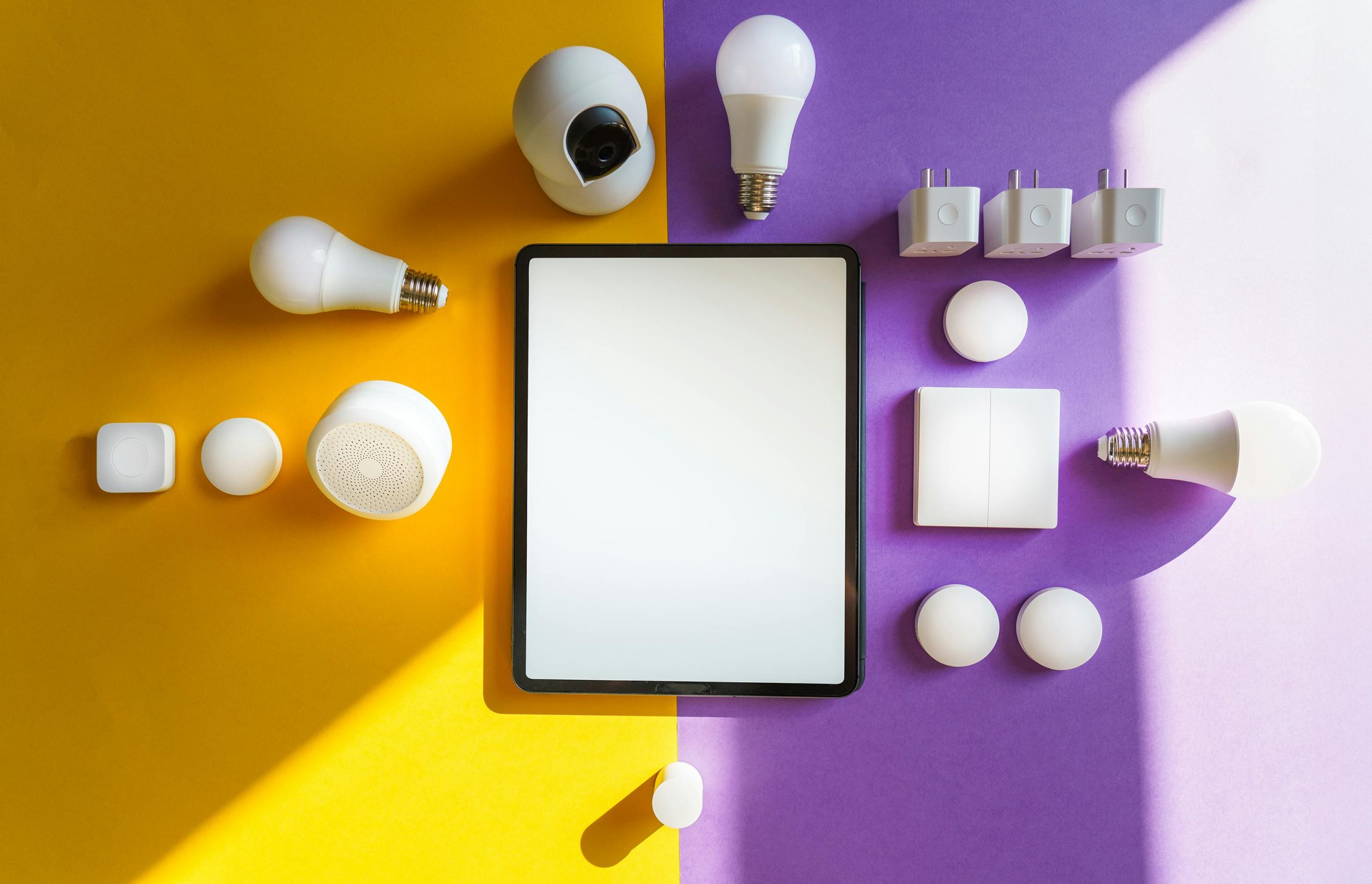
Smart lighting systems are growing steadily. The industry in the U.S. is projected to grow by 23.3% from 2025 to 2032. The drive to make homes smart includes lighting features that allow people to automate or change them from anywhere. Installing these systems delivers many benefits, such as energy efficiency, cost savings, and an added sense of security.
Contractors, and other industry professionals, can influence the choices clients make by educating them so they understand the value they’re receiving from such an upgrade. For example:
Smart Lighting Benefits for the Environment
These smart solutions do more than give homeowners lighting control. According to the IEEE, these systems deliver many environmental benefits, noting they help
• Conserve energy
• Mitigate negative environmental impacts
• Decrease energy costs
• Reduce peak energy demand
Smart lighting is a key component in the big picture of energy management, sustainability, and storage optimization.
Comprehensive Energy Management
Smart lighting systems are critical in achieving comprehensive whole-home energy management. There are several components – sensors, smart devices, and software – that work in concert to monitor energy usage, making it easier to identify where areas of waste exist.
Leaving lights is one of the biggest drains on energy usage that most people don’t think about. With smart lighting as part of the energy management hub, homeowners can see the actual impact and adjust settings to prevent waste.
Real-Time Data for Insights
With a smart lighting system, your clients will have access to real-time data about how much energy is being used. It’s typically part of a complete home energy management system and tracks energy patterns so that homeowners can take action from the insights.
For lighting specifically, the data can advise them of areas that maybe they aren’t paying attention to, such as a light that stays on all the time in a laundry room or closet. Pointing this out can ensure they remember to flip those off.
Positioning Sustainability with Home Energy Management
When discussing the sustainability factor of smart lighting, you should also talk about energy storage. The pairing of the two works well because lighting is most important at night. When homes have optimized energy storage, the electricity to power lights is available without grid dependence, which supports sustainability and efficiency.
Homes that use renewable energy sources – such as solar – often generate more electricity than they need. That means lost energy and lower ROI on your solar investment. In addition, many utilities pay for homeowner-generated energy at a far lower rate than they charge the same homeowner for grid energy. Storing renewably generated power increases the impact of that energy while lowering utility costs further.
All these pieces come together to create home energy management, which integrates solar, grid, and generator production with battery storage. With this unification, energy supply is more consistent, balanced, and cost effective. That is how contractors and other professionals should position the full story on sustainability when talking to customers. Only when these pieces are in place to manage energy generation and consumption can there be an optimized environmental impact. Whether with new builds or renovations, expressing to homeowners the need for a complete home energy management solution is imperative if they want to actually reap the rewards.
Smart Lighting and Energy Storage Optimization
There’s a growing trend in combining advanced lighting controls with energy storage.
Energy consumption is only one part of the bigger efficiency circle. The other part is energy storage optimization for those using solar. With smart lighting, you’re giving clients a way to reduce energy waste. Adding storage has an even more significant impact on lowering waste.
There are mechanisms available that simplify storage and provide a controller to connect solar, EV chargers, or batteries. By using a compact energy management controller, you can integrate everything in minutes instead of hours.
The value of this for your clients is that it can coordinate various power sources, which maximizes clean energy efficiency and reduces grid reliance. It also regulates frequency and voltage, which provides cleaner power quality.
4 Tips for Promoting Smart Lighting
• Explain how integrating energy-efficient lighting with energy storage works and why it’s important
• Explore and compare different home energy management systems, especially the installation requirements
• Describe how real-time data on energy use allows homeowners to identify light energy waste
• Talk about smart lighting as one critical part of moving toward energy optimization for the entire home
Smart Lighting Systems Shine for Sustainability
Promoting smart lighting systems to clients brings them closer to achieving a cohesive energy ecosystem. With the right pieces in place, integration of solar-, grid-, battery-, and generator-supplied energy allows homeowners to have true control over sustainable energy usage.
Smart lighting aligns with all other facets of conserving energy consumption to reduce the footprint of each home, so it’s a must-have for modern dwellings. These points can support your pitch to consumers, showcasing all the tangible advantages of smart lighting.
About the author
Briana is the PR Manager at FranklinWH, empowering homeowners to achieve energy independence through next-generation storage solutions. FranklinWH provides research-driven, sustainable systems designed to counter rising electricity costs and grid unpredictability.