LUNA: A Multi-faceted Outdoor Lighting Solution for States & Municipalities
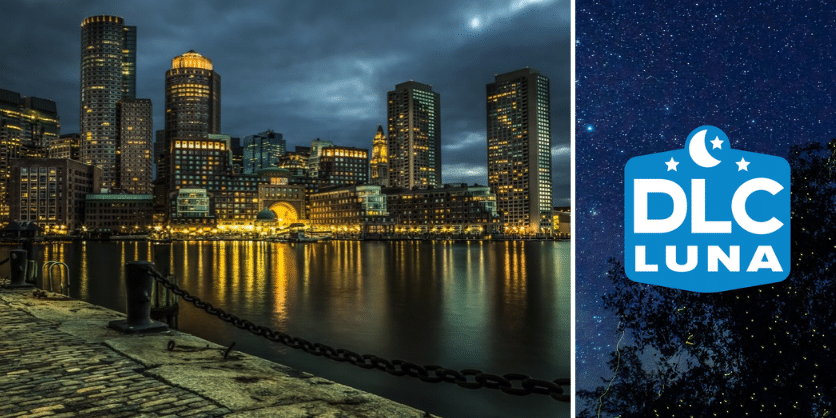
Fixtures in DLC’s LUNA program not only help the environment by reducing light pollution, they are often eligible for energy-efficiency rebates from utilities.
By Leora Radetsky
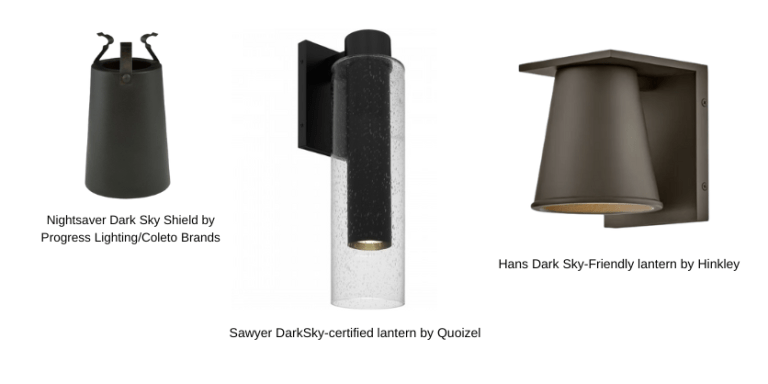
Launched in 2021, the DesignLights Consortium’s (DLC) Light Usage for Nighttime Applications (LUNA) program is now a fixture in the world of commercial lighting. LUNA is known for its comprehensive science-based approach to mitigating light pollution, underpinned by technical requirements that address optical, spectral and networked lighting controls. The LUNA Qualified Products List (QPL) includes controllable, energy-efficient outdoor luminaires, retrofit kits and lamps that provide high-quality lighting and limit negative environmental impacts.
Since launching LUNA, the DLC has been building awareness about another key benefit of the program: its role in environmentally preferrable purchasing. For public officials faced with meeting competing objectives when they purchase or approve outdoor lighting, the LUNA QPL is especially valuable.
First, the LUNA QPL helps public entities confirm that the lighting they approve complies with light pollution ordinances and bylaws being adopted by a growing number of cities, towns, counties and states. Most LUNA-qualified products meet or exceed the requirements of U.S. and Canadian ordinances and statutes. Second, choosing luminaires from the LUNA QPL also means they will be eligible for money-saving energy efficiency rebates, since over 700 utility and energy-efficiency programs require DLC qualification for lighting incentives. Third, one utility – Ameren Illinois – has set a precedent by offering customers bonus incentives for installing LUNA-listed outdoor lighting products.
This aspect of the program has gained recognition recently, as three states have named LUNA as a compliance pathway for meeting the requirements of dark sky regulations when purchasing outdoor lighting products for public buildings, public parks, walkways and other outdoor spaces. LUNA is now a compliance strategy in environmentally responsible procurement adopted by the states of Massachusetts, New York and Washington.
Massachusetts was the first state to codify LUNA as a pathway to compliance with dark sky lighting requirements in its Environmentally Preferable Products and Services regulations. In the Empire State, recently updated Green NY procurement specifications now reference LUNA for compliance with sustainable purchasing requirements for outdoor luminaires, citing LUNA version 1.0 as a baseline and encouraging agencies to go further by purchasing products meeting the criteria of the DLC’s recently implemented LUNA V2.0. And Washington’s “green purchasing” regulations identify LUNA as a preferred compliance route. The DLC hopes these three trailblazing states will inspire others to follow suit.
Facilities are currently at a point when many first-generation LEDs are finally at the end of their useful lives. In replacing these older products, public and private sector customers alike are asking for responsible outdoor lighting that minimizes light pollution and saves energy. Products that go through the DLC’s independent vetting process and meet qualification thresholds for the LUNA QPL satisfy both objectives, while also ensuring high standards for lighting quality and controllability.
New York, Massachusetts and Washington may be the first to put LUNA into official state procurement policies and regulations, but they aren’t alone in advocating for outdoor lighting protective of the night sky. At the state level, at least 20 states, the District of Columbia and Puerto Rico have passed laws to reduce light pollution. Illinois’ Dark Sky Act, signed into law August 2026, is the most recent addition to this list. For these public entities, adding procurement regulations to ensure that outdoor lighting limits light pollution is a logical next step. Adoption of such policies benefits states and municipalities in several ways — from the intangible “leading by example” to the practical effect of clarifying procurement procedures for agencies and vendors.
Further, the use of credible third-party “eco-labels” demonstrates to the public that purchasing specifications were developed through a transparent, broad stakeholder process that ideally addresses multiple sustainability attributes and life-cycle considerations.
The DLC’s LUNA program does precisely these things and helps translate technical requirements into procurement-friendly terms. For public agencies and officials, the LUNA QPL provides a seamless way to search for, identify and select lighting fixtures that minimize the negative impacts of outdoor nighttime lighting while also meeting the energy efficiency benchmarks most North American utilities use as a basis for energy efficiency rebates and incentives.
Light pollution has been increasing at an alarming rate of about 10 percent annually, and the LUNA QPL, with over 400 outdoor lighting products now qualified and listed, provides an effective tool for addressing this growing problem. The DLC commends states and local governments for confronting light pollution and, through the LUNA QPL and our broader suite of LUNA outdoor lighting resources, we are proud to help them make better choices for their communities.
____________________________________________________________________
About the author
Leora Radetsky is LUNA Program Director and Senior Lighting Scientist at the DesignLights Consortium.
Related articles