
How Integrated Lighting is Reshaping Healthcare Design
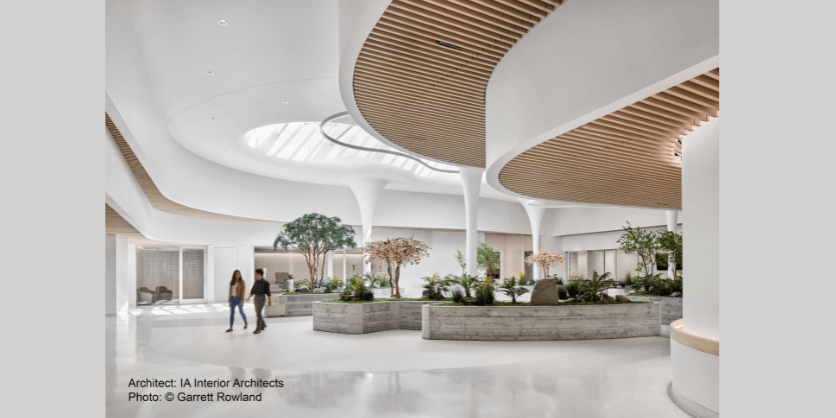
Instead of treating lighting as a separate component that is added after ceilings are installed, integrated systems engineer lighting directly into the ceiling for a seamless architectural experience.
By Chad Johnson
Healthcare spaces are being reimagined in ways that go far beyond clinical care. Hospitals today are placing greater emphasis on the overall human experience inside their facilities, not only for patients, but also for caregivers, visitors and staff members who spend long hours in these environments every day.
As a result, lighting has evolved from a purely functional necessity into a critical design element that can influence comfort, mood and emotional well-being. Across the healthcare industry, architects and designers are increasingly using integrated lighting systems to create spaces that feel calmer, more personalized and less institutional.
Integrated ceiling and lighting systems combine aesthetics, acoustics and illumination into a single coordinated solution. Instead of treating lighting as a separate component added after ceilings are installed, USG Ceilings Plus® systems engineer lighting directly into the ceiling itself.
This approach has become increasingly popular in healthcare environments, where reducing stress and creating comfort can have a meaningful impact on how people experience care. Lighting is an integral part of healthcare spaces, where harsh overhead lighting has traditionally been used to prioritize brightness and efficiency over comfort. Today, healthcare design is shifting to soft, indirect lighting to create a warmer and more welcoming atmosphere throughout.
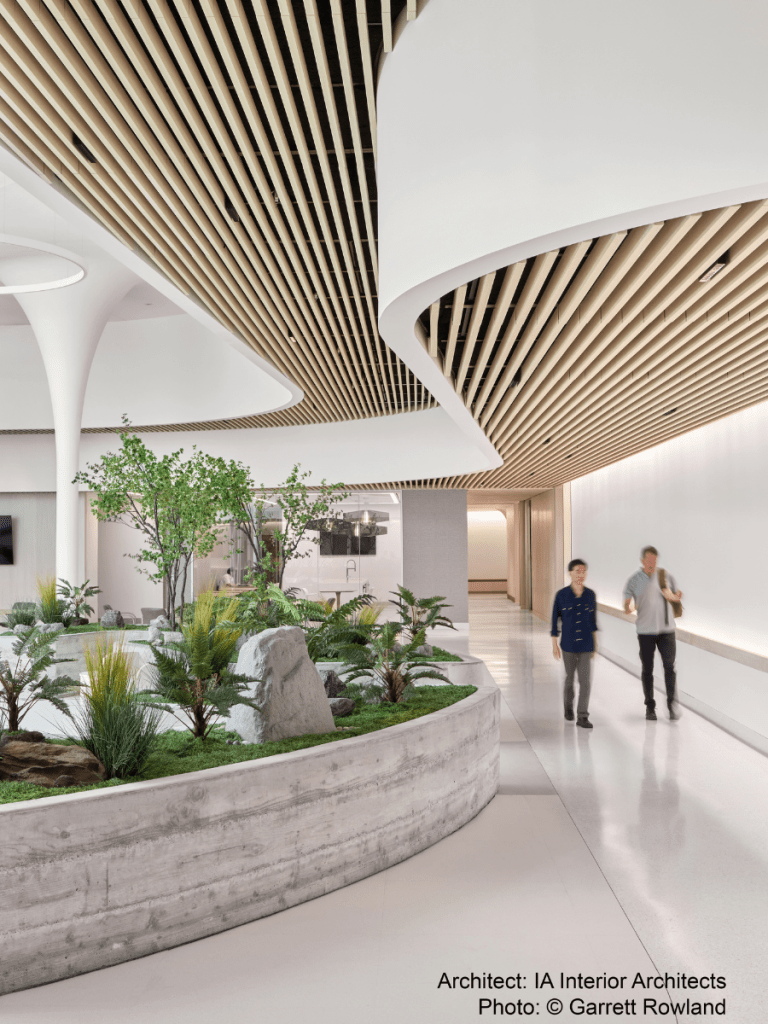
For example, USG’s Glow™ ceiling systems are widely used to accomplish this because they provide soft, even lighting that reduces visual fatigue. Originally developed for architectural applications, these systems have found a natural fit in healthcare settings where softer lighting can help create a more calming environment, particularly in spaces such as waiting rooms and hallways, where families and visitors may be experiencing stress, uncertainty or emotional exhaustion.
At the same time, hospitals are increasingly using lighting to personalize spaces for individual patient needs. One example is the growing use of tunable RGBW lighting systems in pediatric healthcare environments, particularly MRI rooms. MRI machines can feel very intimidating to children because they are loud, enclosed and unfamiliar.
The ability to select a favorite color or adjust the lighting to their preference can help reduce fear and anxiety during procedures. Rather than feeling cold or clinical, the room becomes more interactive and emotionally supportive. Tunable lighting systems are also used to support well-being for both patients and staff.
Dynamic lighting schedules can help improve comfort levels between day and night by adjusting light tones toward a warmer light as evening approaches, while maintaining adequate light levels.
This more holistic approach to lighting design is being embraced by some of the country’s newest healthcare projects. A new hospital campus on the East Coast is incorporating tunable lighting throughout major hallways to create a more positive and supportive atmosphere for patients and families. The goal is not simply to illuminate the space, but to help people feel more comfortable during vulnerable moments.
Similarly, medical clinics in major metropolitan areas are using indirect lighting with indoor-outdoor atriums and communal green spaces, creating evenly lit environments that feel less institutional and more restorative. These types of spaces reflect a growing understanding that healthcare design can contribute to emotional well-being in meaningful ways.
Beyond patient comfort, integrated lighting systems are also changing how healthcare facilities are designed, constructed and maintained. Traditionally, ceilings and lighting systems are installed separately, often creating coordination challenges between multiple trades working in the same overhead space. Lighting layouts, air vents, utilities and ceiling systems must all align perfectly, and even small measurement errors can create costly delays or field modifications during construction.
Integrated ceiling and lighting systems simplify this process by engineering lighting directly into the ceiling panels at the factory before installation. This creates major labor and time savings during construction. Instead of having separate crews working overhead sequentially, ceilings and lighting can be installed simultaneously, creating a more streamlined and efficient workflow, and reducing the risk of accidental damage.
Maintenance teams benefit as well, with ceiling panels and lighting components able to easily slide out of the way together, allowing faster access to utilities above the ceiling plane without creating congestion in hallways or requiring extensive disassembly.
As healthcare facilities continue prioritizing patient comfort, staff well-being and operational efficiency, integrated lighting systems are becoming a foundational part of modern healthcare design.
Lighting is no longer viewed simply as infrastructure. It is becoming an essential tool for creating healthcare environments that feel calmer, safer and more human-centered, while also improving construction efficiency and long-term building performance.
_________________________________________________________________________________
About the author
Chad Johnson is Product Manager for Integrated Lighting at USG. For more information on Ceilings Plus® specifications, product selection, or purchasing, contact USG directly or your local L&W Supply.