Wellness Lighting, Integrated Systems Take Center Stage at CEDIA Expo 2026
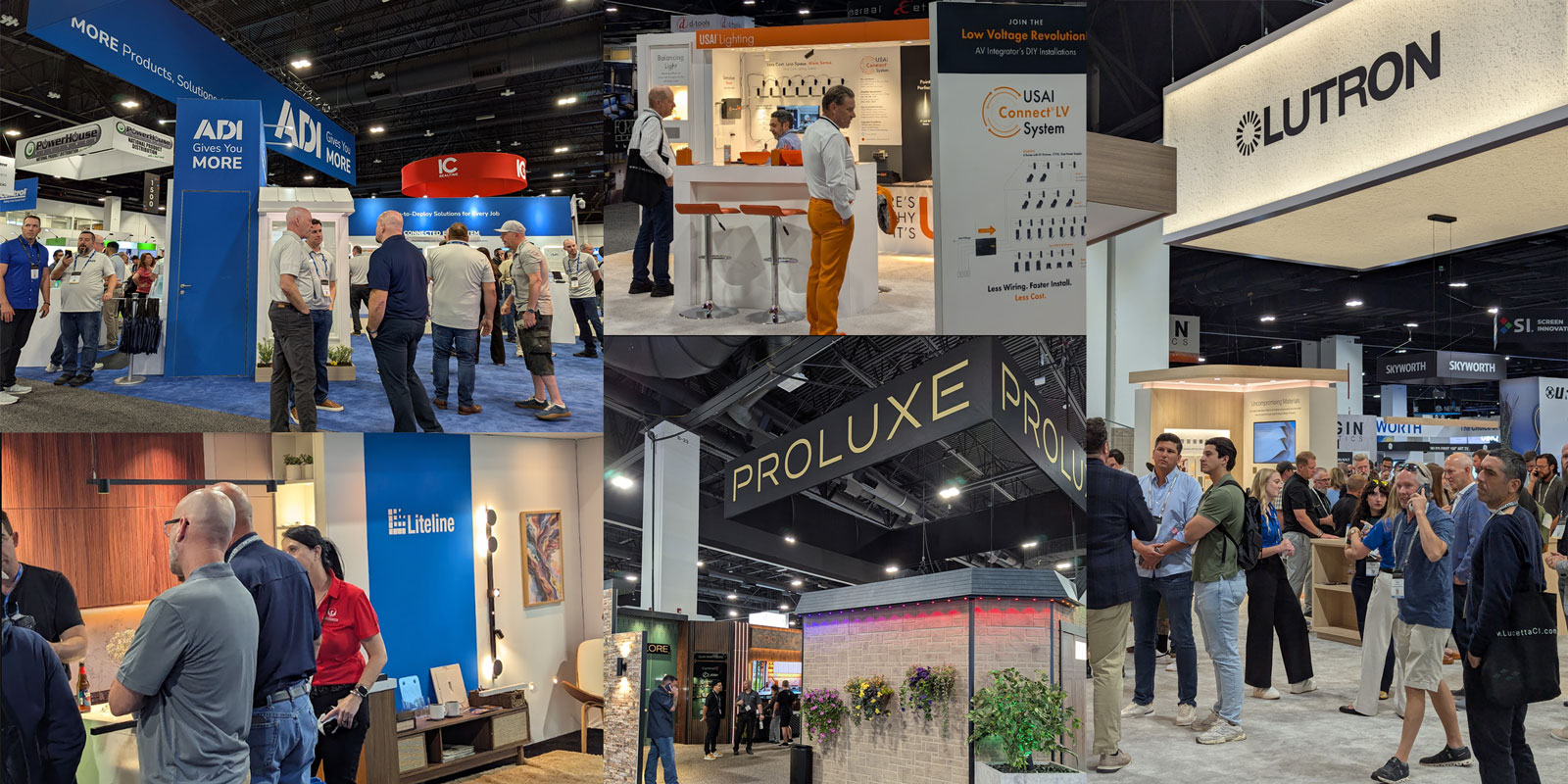
Lighting plays a pivotal role the modern smart home. That theme was clear across the show floor at CEDIA Expo 2026 in Denver last week. What was once a peripheral category is now a core design and integration layer, shaping how spaces look, feel, and function.
Across the expo floor, education tracks and manufacturer showcases, lighting emerged as a strategic driver of wellness, luxury, and whole‑home integration. Here are some key trends that highlight where residential lighting is headed next.
Circadian Lighting Becomes Mainstream
Circadian lighting has been gaining traction for years, but CEDIA Expo 2026 marked its shift from specialty feature to standard expectation. Manufacturers – including Lutron and Savant – framed circadian control as a baseline capability for premium residential projects. Tunable white systems, dynamic spectral control, and automated day‑cycle programming were everywhere, supported by platforms that make these features easier to deploy and maintain.
The biggest shift may be integration. Circadian lighting is no longer a standalone subsystem; it’s woven into whole‑home automation routines. Control platforms demonstrated circadian presets tied to wake‑up sequences, shading schedules, and environmental cues. Motorized shading manufacturers reinforced this trend by positioning daylight management as part of the circadian equation rather than an adjacent category.
The result is a more holistic approach to lighting that blends electric and natural light into a unified experience.
Wellness Lighting Expands Beyond Color Temperature
Wellness lighting broadened significantly this year, moving past tunable white into a more comprehensive view of comfort, mood, and emotional well‑being. Exhibitors emphasized visual comfort through low‑glare optics, controlled beam distributions, and fixtures designed to reduce eye strain.
Ambient lighting scenes were presented as tools for relaxation, focus, or recovery, aligning with the growing consumer interest in home environments that support mental and physical health. AI‑driven environmental interpretation – one of the recurring themes across the Smart Stage – suggests a future where lighting adjusts proactively rather than reactively.
Outdoor wellness gained momentum as well. Landscape and architectural lighting manufacturers, like Coastal Source, showcased solutions that extend wellness principles beyond the home’s interior. Safe pathways, biophilic accents, and immersive outdoor scenes were presented as essential components of a balanced living environment.
Integrated Installations Redefine Lighting
Because lighting is now being treated as a foundational layer of the connected home, deeper interoperability with shading, audio, security, and environmental systems were on full display.
AI‑enabled control was one of the most talked‑about developments. Demonstrations, like Lutron’s “experience room” showed lighting responding to interpreted environmental data, like occupancy patterns, time of day, user behavior and even inferred intent. This shift from command‑based control to contextual automation signals a major evolution in how lighting systems will operate in the coming years.
Design integration also stood out. Many exhibitors focused on architectural cohesion, offering fixtures that disappear into the ceiling plane or complement high‑end interior design. Low‑glare performance, micro‑aperture downlights, and refined optics were common themes, reflecting the industry’s push toward visually quiet ceilings and premium residential aesthetics.
That integrated philosophy also extended to the outdoors. Manufacturers, including ADI, showcased solutions that tie landscape lighting into audio, security, and automation systems. Other exhibitors teased that there were more developments yet to come.
These shifts will require contractors to have stronger coordination with designers, shading specialists and automation platforms for successful installs. The future favors those who treat lighting not just as a product category, but as a strategic pathway into broader, more profitable home experiences.
Key Takeaways from CEDIA 2026
- Circadian lighting has moved from niche feature to standard expectation in premium residential projects.
- Wellness lighting now includes visual comfort, mood support and proactive environmental adaptation.
- Integrated lighting systems are becoming central to whole‑home automation, shading, audio and security.
- AI‑enabled control is shifting lighting from reactive commands to contextual, anticipatory behavior.
- Contractors will need broader system fluency and closer collaboration with designers and automation platforms.