Make Your Voice Heard in Shaping LUNA & SSL V6.0 Requirements + Webinar
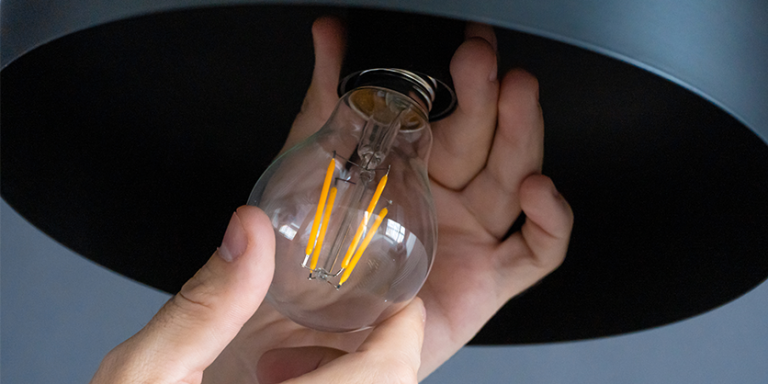
With the Department of Energy’s Energy Star program all but dismantled, the DesignLights Consortium (DLC) has been taking up the mantle in several ways. One of their ongoing initiatives involves revisions to the LUNA V2.0 dark sky lighting solution as well as releasing the second draft of major updates to its Solid-State Lighting (SSL) technical requirements for indoor and outdoor non-residential LED lighting V6.0.
With many electrical supply houses and lighting showrooms supplying hospitality and commercial projects, staying abreast of new requirements is a good business decision.
DLC will be accepting comments through September 5, and a relevant webinar is scheduled for 3pm ET on August 6.
Reflecting comments the DLC received from numerous stakeholders after releasing Draft 1 of the combined SSL V6.0 and LUNA V2.0 technical requirements in March, Draft 2 will have a six-week comment period through September 5. Reviewers can provide feedback via email to comments@designlights.org using the comment form. The final policy will be released in early November.
“The DLC is committed to ensuring lighting decision-makers have access to the data and resources needed to select high-performing lighting and controls that minimize and optimize energy use, and reduce the growing problem of light pollution,” noted DLC executive director and CEO Tina Halfpenny. “Formerly covered in two sets of technical requirements, SSL and LUNA are now combined into a single technical requirements document. The product of years of discussion and collaboration among industry stakeholders – including the majority of North American energy-efficiency programs that base their incentives on DLC criteria – the updated technical requirements support improved efficacy, energy savings, lighting quality, controls and connected LED lighting products.”
After reviewing stakeholder comments on Draft 1, the DLC has responded with changes in the Draft 2 technical requirements, including some related to the DLC Premium classification. The DLC Premium classification serves as a pathway to connected lighting which, in turn, enables building system integration for maximum energy savings.
Regarding the LUNA V2.0 dark sky solution, the DLC first proposed in Draft 1 to add a new “Turtle Lighting” category to the SSL/LUNA QPL, provided that luminaires meet specific LUNA criteria and thresholds (products on the LUNA QPL must already meet all of the SSL requirements). The DLC made this proposal recognizing that Turtle Lighting luminaires are required in many coastal applications where sea turtle hatchlings are known to nest. LUNA V2.0 Draft 2 includes a provision to increase the maximum light output for qualified Turtle Lighting.
Other changes in Draft 2 reflect feedback the DLC received from stakeholders relative to clarifying various aspects of the technical requirements. These changes are meant to streamline the qualification process for manufacturers while advancing the essential goals of SSL V6.0 and LUNA V2.0. Full details of all proposed revisions are available on the DLC’s website.
Draft 2 of the technical requirements maintains an average increased efficacy threshold across all DLC qualified product types of 14 percent (with some product efficacy increases as high as 30 percent). At the same time, recognizing that efficacy must accompany quality to support long-term energy savings and user satisfaction, SSL V6.0 proposes efficacy allowances for products that meet higher quality of light thresholds in terms of features such color rendition and glare. SSL V6.0 also includes expanded requirements for dimming and controllability and aims to boost adoption of controlled, connected lighting by correlating some aspects of the SSL and Networked Lighting Controls (NLC) QPLs.
For more information, register for the DLC’s webinar on August 6.
Related articles