
Concerns Over the Results of GUV CALiPER Testing
By Jeffrey Dross
[It has been brought to my attention that I transposed a point of data in my paragraph concerning Long Term Performance of UV-C LED when this post was initially released 3-3-2025. I incorrectly stated that there was a 76% loss, when in-fact the product maintained 76% of its initial output. I have corrected that paragraph.]
As I read the finding of the second round of CALiPER testing on Germicidal Ultra Violet (GUV) lighting from the U.S. Department of Energy, I homed in on the final section “Conclusions and Next Steps.” The report is chockfull of data points and detailed findings that are very interesting, but probably don’t help a typical user. I want to share a few that trouble me and should concern users and specifiers as they consider GUV.
Incomplete Product Performance Data
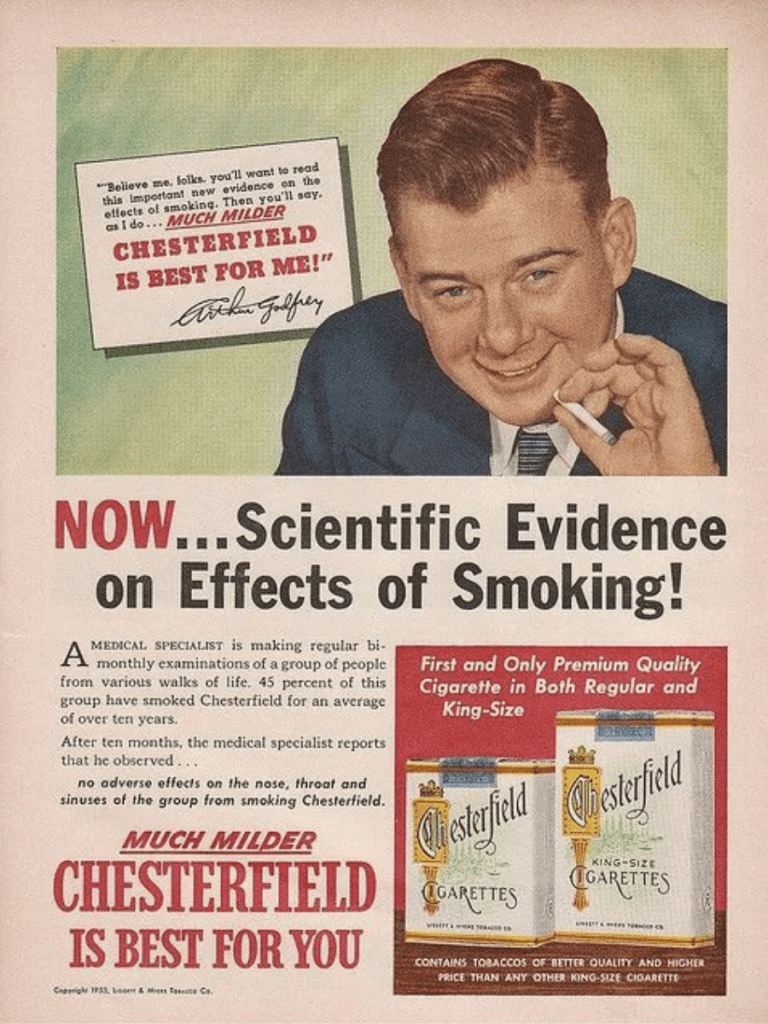
Some of the products had no performance data and only half had some data available via a website. This lack of information really makes it difficult to consider adding GUV to a space. One would think, when dealing with a light source that included a potentially dangerous byproduct, information would be crucial to the purchase to ensure proper installation and a commensurate results. Without it, who would consider a purchase and how could a consumer determine if a purchase would be helpful? This means that only the included marketing information becomes the deciding factor. Remember how marketing told us that we should buy Chesterfield cigarettes because more doctors smoked them? We are re-entering the 1950s.
Inaccurate Performance Claims
If you recall the CALiPER testing done for the original LED retrofit bulbs, inaccurate performance claims was a very common issue — and there is no difference here. One of the great things to come from the previous process was better facts and more reliable packaging information. Hopefully, that will be the end result of the GUV CALiPER process if it moves forward under the new federal government that is decidedly less receptive to research, technology, and education.
Potential for Unsafe Products
This round of testing concentrated on wall-mounted upper room luminaires. These units are intended to treat air in a portion of the room NOT occupied by humans. This means that humans can safely navigate the room below because the light will not reach them.
CALiPER found that two of the luminaires emitted lighting below horizon (where people inhabit). An additional two were found to exceed UL 8802 safety limits for irradiance, which could be potentially damaging to humans. When dealing with light in the UV range, care must be taken as failure can have significant repercussions.
Long-term Performance of UV-C LED
One tested product maintained only 76% of its initial output at 500 hours of operation, despite a claim of 8,000 hours of operation. The plotted decline was also very consistent. This is a relatively quick deterioration and the typical consumer might be concerned with a 24% decline in performance in so short a time.
My Thoughts
While we lived through COVID, the rise of a lighting solution to combat airborne pathogens seemed like a godsend. As our memory fades, so too has interest in non-medical applications. The one thing we can guarantee is the blossoming of a new disease and a new problem, quickly followed by a reemergence of interest in this type of lighting solution. That we are doing these reviews now means we might be ready when the time comes. In the meantime, buyers should approach with caution these products. They should also push for a more formulaic review of these luminaires. They should seek out and ask for independent test lab reviews. Only then will manufacturers start to abandon their use of marketing promotions and replace them with fact-base statistics. Once we have that data, we will be ready to battle the next dangerous microbe.
Want to read the full report? Click here
Additional articles by Jeff Dross
More on the DOE’s 2020 US Lighting Market Characterization