Guatemala: A Model for Astrotourism around the World
February 6, 2024
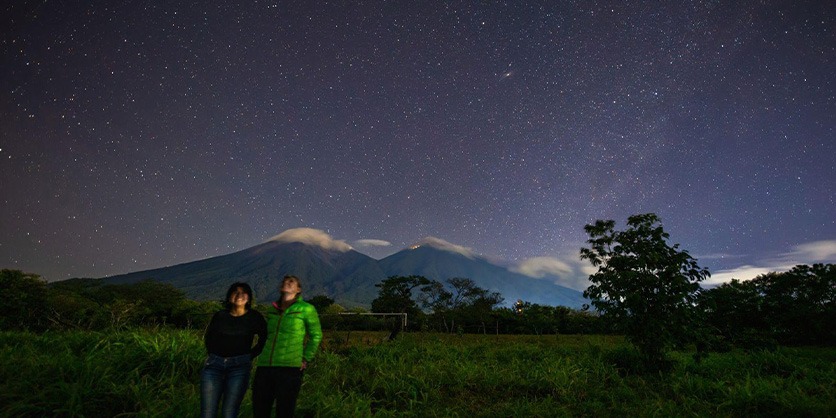
My journey to experience the night sky in Guatemala.
This past December I traveled to Guatemala to learn about their growing astrotourism industry. ¡Dios mío! It turned out to be one of the most memorable experiences of my life!
As the director of engagement for Dark Sky International, I was invited by the Guatemala Institute of Tourism to learn about their growing astrotourism industry and initiatives, particularly Project Luciérnaga. Luciérnaga, Spanish for firefly, is a project to bring locals and tourists out at night to learn about Maya culture and their incredible astronomical achievements. At its core Project Luciérnaga aims to set the record straight, it wasn’t just the Greeks who were looking up and making calculations.
One of the highlights of the trip was taking a tour of Tak’alik Ab’aj at night, one of the oldest Mayan settlements in Central America. I was blown away by how almost everything at the ancient site held a connection to the night sky, with great structures built in alignment with astronomical events and phenomena.
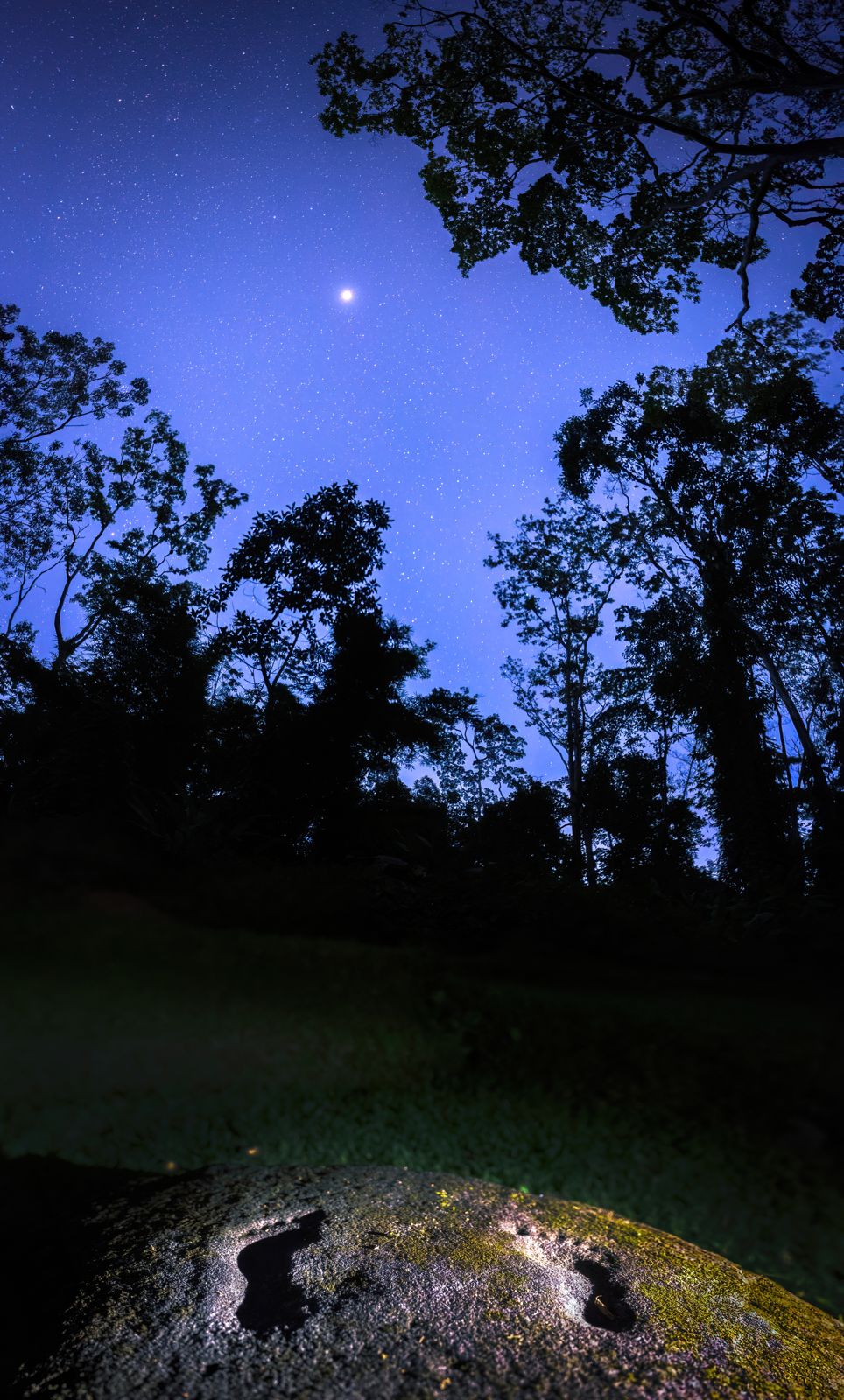
Wondering through the dark with our knowledgeable guide, we made our way to the center of a great plaza, where jungle vines and grasses now thrive. It was there we found a carving of life size ‘piecitos’, footprints, neatly etched into a rock. They were nearly perfect, as if someone, just earlier today had stepped into mud. But they were etched over 2,000 years ago, their toes facing 115 degrees east of true north, perfectly aligned with the rise of the sun on the winter solstice.
What is astrotourism?
Astrotourism is not traveling to space in a rocketship. Luckily for us, astrotourism can be experienced right from the comfort of our very own planet. It’s a form of tourism where people travel to see things in the night sky, such as visiting an International Dark Sky Park, or going somewhere that may not be certified (yet!) with low levels of light pollution to see the milky way or other faint celestial phenomena.
Astrotourism can also be taken advantage of in areas where there is light pollution, like in large cities, people can visit the area to go to planetariums, and can also see brighter celestial phenomena like the moon, eclipses, or planets,
And from anywhere, people can connect with locals and listen to stories that have lived in the night for millenia.
Astrotourism is seen as an emerging form of ecotourism, more and more people are traveling to experience the beauty of what we can see during the night and what we can learn from the stories held in the stars.
How does astrotourism protect dark skies?
Astrotourism can be used as a tool to protect dark skies and reduce light pollution. Astrotourism brings a particularly large amount of economic impact to cities and towns, because in order to have a nighttime experience in an area, it means you need to spend the night! According to a study from Missouri State University, astrotourism brings a single person’s spending from ~90 dollars for a day trip, to up to 300 dollars for an overnight stay. It just makes sense, astrotourism brings people to an area, and helps them stay longer to truly appreciate the location.
Because of this benefit, communities see that people are coming to experience the dark sky and that it needs to be protected in order to keep that income stream coming.
And of course, actually experiencing the beauty of the night sky helps people want to protect it wherever they come from.
What is Guatemala doing?
Although we’ve seen huge benefits of astrotourism around the world, very few places have institutionalized planning around it, and almost none have done so at a national level. I just returned from Guatemala where they have done exactly that.
They released a “Plan Estratégico para el Desarrollo Sostenible del Turismo Astronómico en Guatemala 2024-2030” (Strategic Plan for the Sustainable Development of Astrotourism in Guatemala 2024-2030), which aims to guide efforts to promote and protect celestial visibility, minimize light pollution, and leverage the appeal of stargazing for tourism and educational purposes. The process to create this strategic plan took over a year in the making, and was created by the collaboration of more than 50 institutions. It is currently only available in Spanish, but they do hope to translate it into English in the near future.
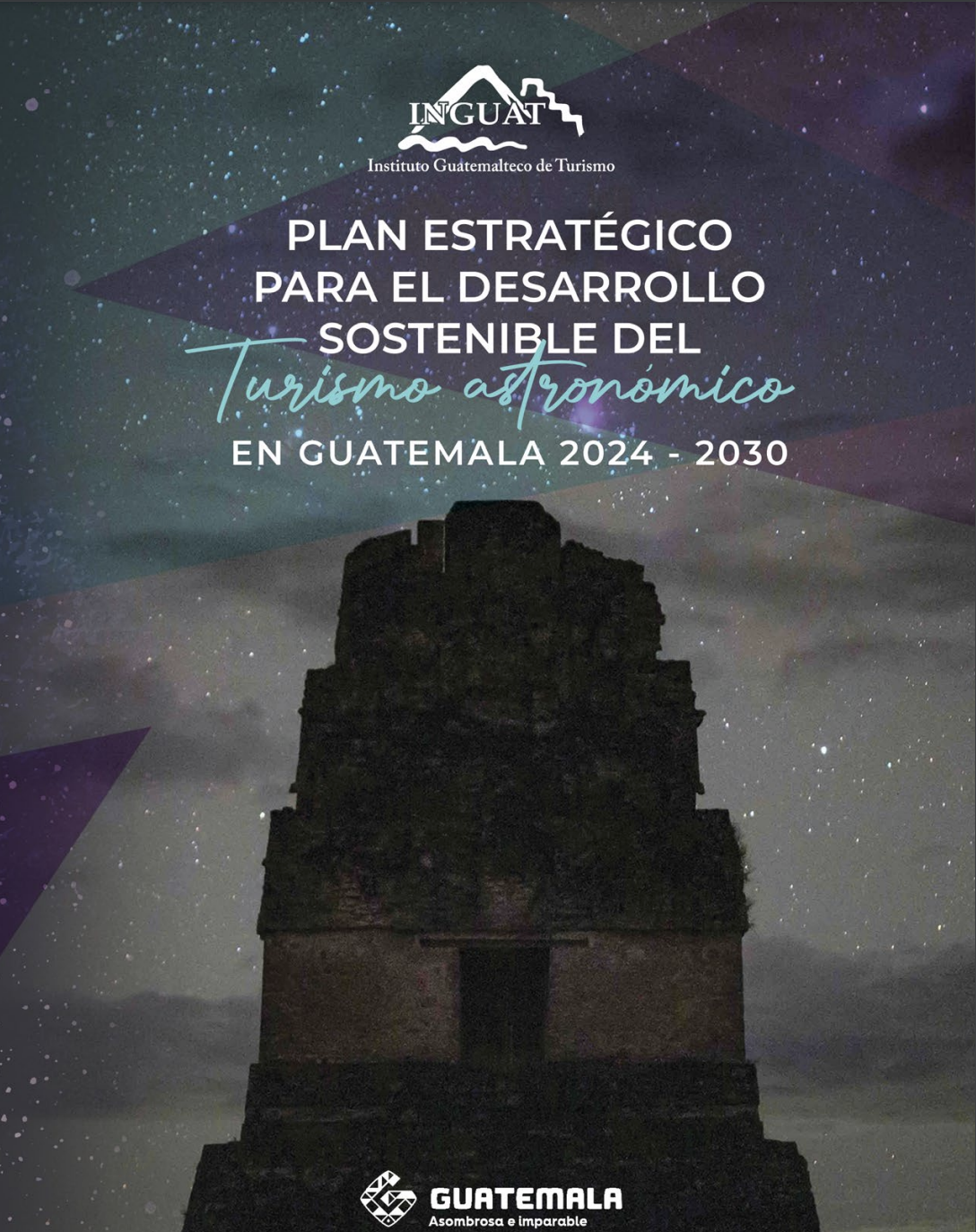
This is a first of its kind, and can be used as a model for other countries who are looking to develop an astrotourism product as a country.
For more information, reach out to Sergio Montufar, a DarkSky Board Member, who lead this strategic planning initiative with the Guatemalan Institute of Tourism. Sergio can be reached at smontufar@inguat.gob.gt.
More information available here